



Description
1. General Description
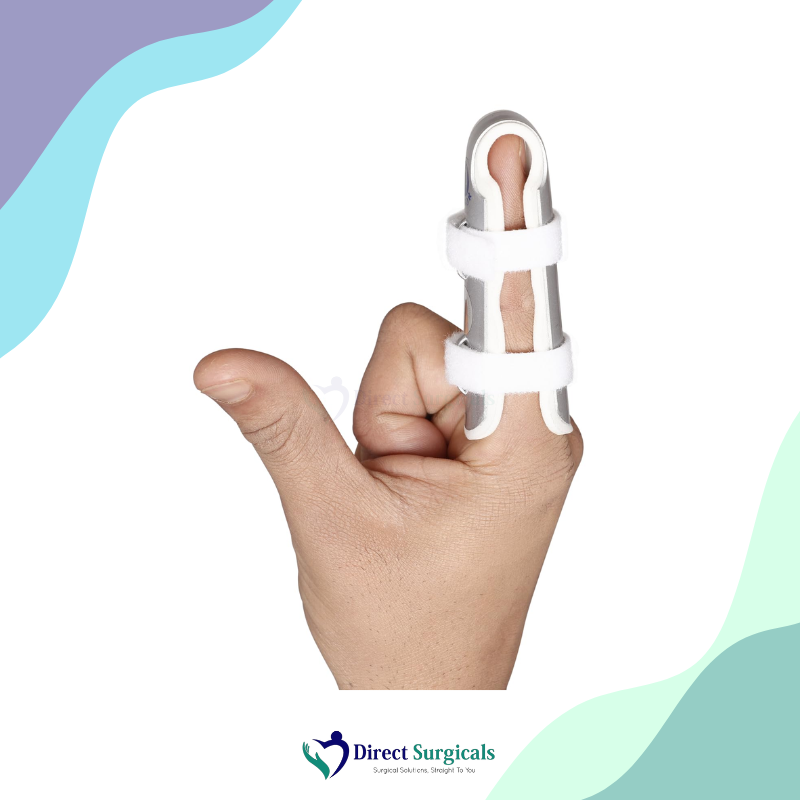
The Tynor Finger Cot is a small, specialized protective sheath designed to provide rigid or semi-rigid support, protection, and immobilization for the end of an injured finger or toe. It is commonly used to shield the fingertip from bumps, cuts, burns, contusions, or stable distal (fingertip) fractures. The cot encases the digit, isolating the injured area to promote undisturbed healing and prevent infection or further trauma.
2. Manufacturing Details
Tynor manufactures the Finger Cot focusing on robust protection, comfort, and safety. The product is typically molded from lightweight but durable plastic (or aluminum, depending on the model) and shaped to fit the natural taper of a finger. The construction often includes perforations or vents to allow air circulation, which prevents moisture accumulation and skin maceration (softening) under the shield.
3. Material Details
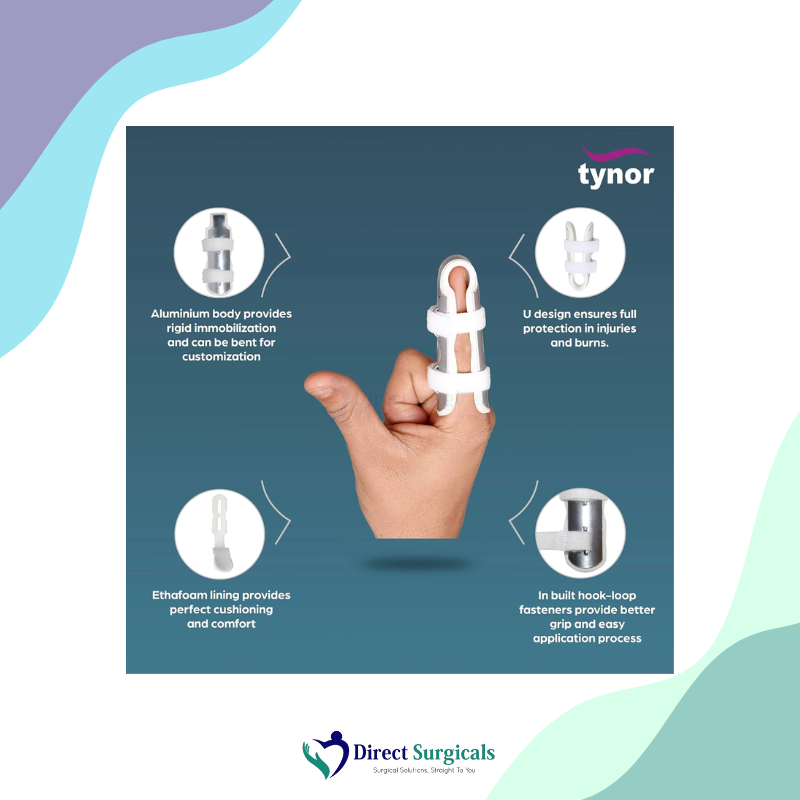
- Outer Shell: Often constructed from smooth, durable high-grade plastic (Polypropylene) or sometimes lightweight aluminum, providing effective impact protection.
- Lining: The inside of the cot may feature a soft, thin layer of foam padding or fabric lining to cushion the fingertip and enhance user comfort.
- Securing Mechanism (Optional): Some designs incorporate a light Velcro strap or elastic retainer to secure the cot firmly onto the finger without hindering circulation.
4. Usability
The Finger Cot is used to maintain a clean environment around an injured fingertip or toe. The user places the injured digit inside the cot, ensuring the padded tip covers the wound or injury site. It should be fitted snugly enough to stay in place but loose enough to avoid restricting circulation. It is an ideal protective cover for dressings, allowing the user to continue light activities with less risk of contaminating the wound or sustaining re-injury.
5. Precautions
- Circulation Check: Ensure the cot is not excessively tight or worn for too long a period without circulation checks. A tight fit can impede blood flow.
- Hygiene: The finger cot should be removed (as advised by a doctor) for regular wound inspection and cleaning. The cot itself should be cleaned periodically.
- Fracture Assessment: For suspected fractures, the cot provides support but is not a substitute for professional medical assessment and proper splinting or casting.
- Moisture: Avoid excessive moisture inside the cot; the vents should be kept clear to allow the skin to breathe.
6. Key Features and Benefits
- Superior Protection: Provides a rigid shield that effectively protects the injured fingertip from external impacts and minor trauma.
- Ventilated Design: The incorporation of perforations or vents allows for essential airflow, reducing moisture and preventing skin breakdown.
- Hygienic: Protects wounds and dressings from contamination while allowing the user to perform tasks.
- Easy to Clean: The smooth plastic outer surface is easy to wipe clean and is reusable.
- Lightweight: The material ensures minimal added weight, making it comfortable to wear.
7. Additional Details
- Sizing: Usually available in three or four standard sizes (Small, Medium, Large) to accommodate varying finger widths and lengths.
- Intended Use: Best suited for mallet finger, fingertip fractures, lacerations, burns, and nail injuries requiring external protection.
- Cleaning: The plastic cot can be washed with mild soap and water and thoroughly dried before reapplication.
- Color: Often clear, white, or flesh-toned plastic.